Token Economy Dynamics Blockchain Era The Dynamics Of Token Economy In Blockchain Era represents a pivotal shift in the landscape of digital transactions, with the advent of blockchain technology playing a central role in reshaping economic paradigms. This article delves into the intricacies of tokenomics, explores emerging trends, and analyzes the profound impact of blockchain on the dynamics of digital tokens.
Decoding Blockchain Tokenomics: An Informative Journey

The Genesis of Token Economy
To embark on this expedition, one must delve into the genesis of the Token Economy. In the parlance of the blockchain, tokens are not mere placeholders; they are dynamic entities embodying a spectrum of values, functions, and potentialities. These tokens, often built on robust blockchain platforms, have become the linchpin of a novel economic paradigm.
Understanding Blockchain Tokenomics
Blockchain Tokenomics, the heartbeat of this paradigm, encapsulates the principles governing the creation, distribution, and utilization of tokens. It’s a symphony where economic theory, cryptography, and decentralized governance converge to compose a revolutionary opus. In this grand orchestra, each note represents a facet of tokenomics—a complex harmony of utility, scarcity, and community dynamics.
Unveiling Token Economy Trends
As we traverse the expansive landscape of the blockchain, we encounter a myriad of trends shaping the Token Economy. From decentralized finance (DeFi) platforms to non-fungible tokens (NFTs), the trends paint a vibrant tapestry of innovation and disruption.
In the realm of DeFi, the very essence of traditional financial systems undergoes a metamorphosis. Smart contracts, those self-executing codes residing on the blockchain, orchestrate lending, borrowing, and yield farming—unleashing a whirlwind of financial possibilities. The economic dance of supply and demand takes on a decentralized rhythm, rendering intermediaries obsolete.
Simultaneously, the rise of NFTs introduces a new dimension to token dynamics. These unique, indivisible tokens authenticate ownership of digital assets, creating a marketplace where digital art, virtual real estate, and even tweets become tradable commodities. The Token Economy Trends In The Blockchain Era echo the power of digitization, where uniqueness is tokenized, and scarcity is celebrated.
Navigating the Impact of Blockchain on Token Dynamics
The very foundation of tokenomics rests upon the shoulders of blockchain technology. The impact of blockchain on token dynamics is seismic, fundamentally altering how we conceptualize and transact value. The decentralized ledger at the core of blockchain ensures transparency, security, and immutability—the bedrock of trust in the digital age.
Impact Of Blockchain On Token Dynamics goes beyond the technical infrastructure. It reshapes our societal structures, redistributing power and autonomy. Blockchain’s ability to disintermediate fosters a democratized financial landscape, challenging traditional power structures and fostering financial inclusion.
The Future Unveiled: Tokenomics Beyond the Horizon

As we stand at the precipice of the future, the horizon of Tokenomics In The Blockchain Era extends far beyond our current understanding. The fusion of blockchain, artificial intelligence, and the internet of things heralds a future where tokens are not just instruments of value transfer but dynamic entities embedded in the fabric of our daily lives.
The Role of Artificial Intelligence
Artificial intelligence, the sentinel of the digital realm, becomes an integral player in the Dynamics Of Token Economy In Blockchain Era. AI algorithms analyze data, predicting market trends, optimizing token distribution, and enhancing the efficiency of decentralized systems. The synergy between AI and tokenomics transcends mere functionality; it births an autonomous, self-evolving ecosystem.
The Internet of Things and Tokenomics
In this symphony of technology, the Internet of Things (IoT) introduces a new crescendo. Smart devices, interconnected through blockchain networks, seamlessly engage in token-based transactions. From your refrigerator restocking itself to your car paying tolls autonomously, the Token Economy Trends In The Blockchain Era extend their influence into the very fabric of our daily lives.
Understanding Blockchain Tokenomics
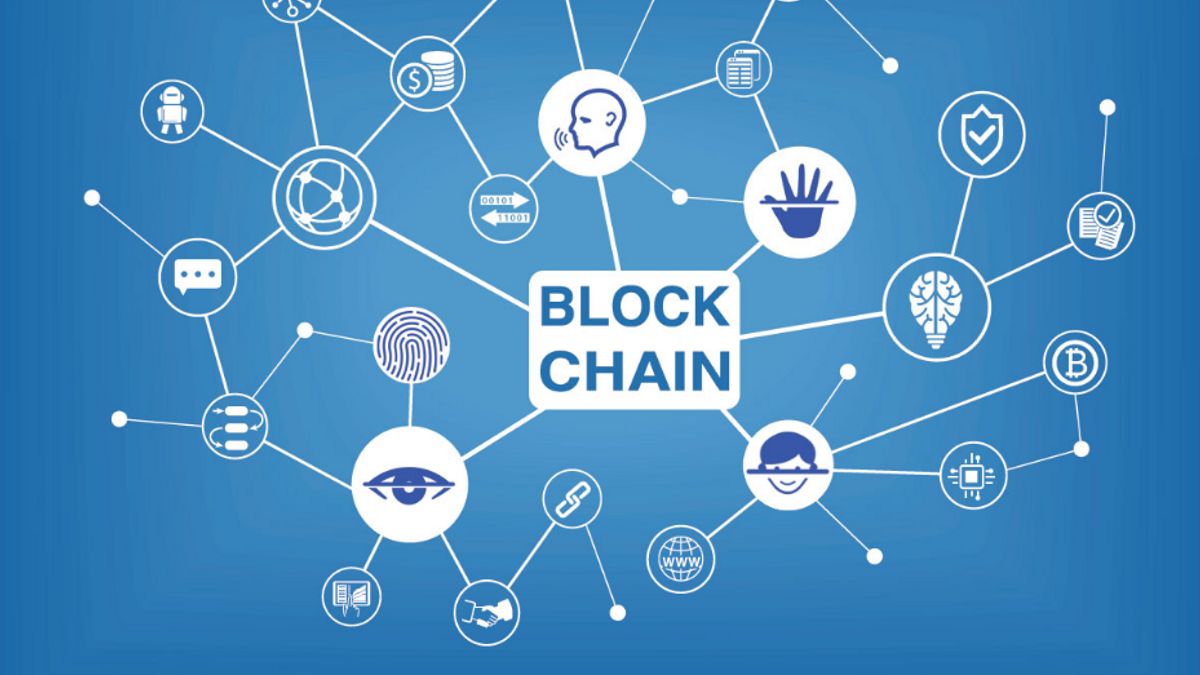
Blockchain, the decentralized ledger technology that underpins cryptocurrencies, has given rise to a novel economic ecosystem—Tokenomics. This term, derived from the amalgamation of “token” and “economics,” refers to the study of the economic systems and incentives surrounding blockchain-based tokens.
Defining Tokenomics
At its core, Tokenomics revolves around the creation, distribution, and management of tokens within a blockchain network. These tokens represent a unit of value and can serve various purposes, from facilitating transactions to granting access to specific functionalities within a decentralized application (dApp).
Tokenomics is not a one-size-fits-all concept; it varies across different blockchain platforms and projects. The design of tokenomics involves striking a delicate balance to align the interests of users, developers, and token holders.
The Role of Smart Contracts
Smart contracts, self-executing contracts with the terms of the agreement directly written into code, are integral to the functioning of tokenomics. They automate processes, ensuring transparency and trust within the blockchain ecosystem.
Token Economy Trends in the Blockchain Era

The Token Economy Trends In The Blockchain Era are dynamic and evolving, influenced by technological advancements, regulatory changes, and market demands. Let’s explore some noteworthy trends shaping the current landscape.
1. Decentralized Finance (DeFi) Reshaping Financial Services
DeFi has emerged as a frontrunner in the realm of token economics. It leverages blockchain to recreate traditional financial systems in a decentralized manner. Through smart contracts, users can engage in lending, borrowing, and trading without relying on traditional financial intermediaries.
The DeFi movement has seen the rise of Decentralized Autonomous Organizations (DAOs), enabling collective decision-making within a community of token holders.
2. Non-Fungible Tokens (NFTs) Revolutionizing Digital Ownership
The surge of NFTs represents a paradigm shift in the concept of ownership in the digital space. These unique, indivisible tokens, often representing digital art or collectibles, utilize blockchain to authenticate and verify ownership.
The intersection of NFTs with various industries, including art, gaming, and entertainment, has created new avenues for creators to monetize their digital assets directly.
3. Staking and Governance Tokens
Staking involves participating in the network’s operations by locking up a certain amount of tokens. In return, participants earn additional tokens as rewards. This process not only secures the network but also provides a mechanism for token holders to generate passive income.
Governance tokens empower holders to participate in decision-making processes related to the development and improvement of the blockchain protocol. Token holders can propose and vote on changes, fostering a more democratic approach to blockchain governance.
Impact of Blockchain on Token Dynamics
The Impact Of Blockchain On Token Dynamics extends beyond the realm of cryptocurrency and finance. It permeates various sectors, catalyzing innovation and redefining traditional systems.
1. Transparency and Immutability
Blockchain’s inherent characteristics, such as transparency and immutability, have a profound impact on token dynamics. Every transaction recorded on the blockchain is visible to all participants, ensuring a high level of transparency. Immutability guarantees that once a transaction is added to the blockchain, it cannot be altered or deleted.
2. Global Accessibility and Financial Inclusion
Blockchain technology enables global accessibility to financial services, particularly in regions with limited access to traditional banking infrastructure. Cryptocurrencies and blockchain-based financial tools provide an avenue for financial inclusion, allowing individuals to participate in the global economy.
3. Interoperability and Cross-Chain Transactions
As blockchain projects continue to proliferate, the need for interoperability becomes crucial. Interoperability facilitates seamless interaction between different blockchain networks, allowing users to transact and transfer value across disparate ecosystems.
4. Tokenization of Assets
The tokenization of real-world assets, from real estate to fine art, has been accelerated by blockchain. Through the fractional ownership enabled by tokens, individuals can invest in high-value assets that were once inaccessible.
Conclusion: Token Economy Dynamics Blockchain Era
In the ever-evolving landscape of the Blockchain Era, the dynamics of token economics play a central role in shaping the future of digital transactions and decentralized ecosystems. From the intricacies of Token Economy Dynamics Blockchain Era to the transformative trends and the profound impact of blockchain, this article has provided a comprehensive exploration of the subject.
As we navigate the complexities of the digital age, the fusion of economic principles with blockchain technology continues to pave the way for innovative solutions, pushing the boundaries of what is possible in the token economy. The ongoing dialogue between technological advancements and economic theories sets the stage for a future where the token economy stands as a pillar of the digital revolution.