Immutable Records The Blockchain Impact In the ever-evolving landscape of technology, the advent of blockchain has ushered in a revolutionary era in record-keeping. Join us on a captivating exploration of the Blockchain Impact On Records, where the concept of Immutable Record-Keeping In Blockchain takes center stage. Delve into the profound advantages that stem from the immutability of records and uncover the transformative influence of Blockchain’s Impact On Data Integrity.
Understanding Blockchain’s Impact On Records
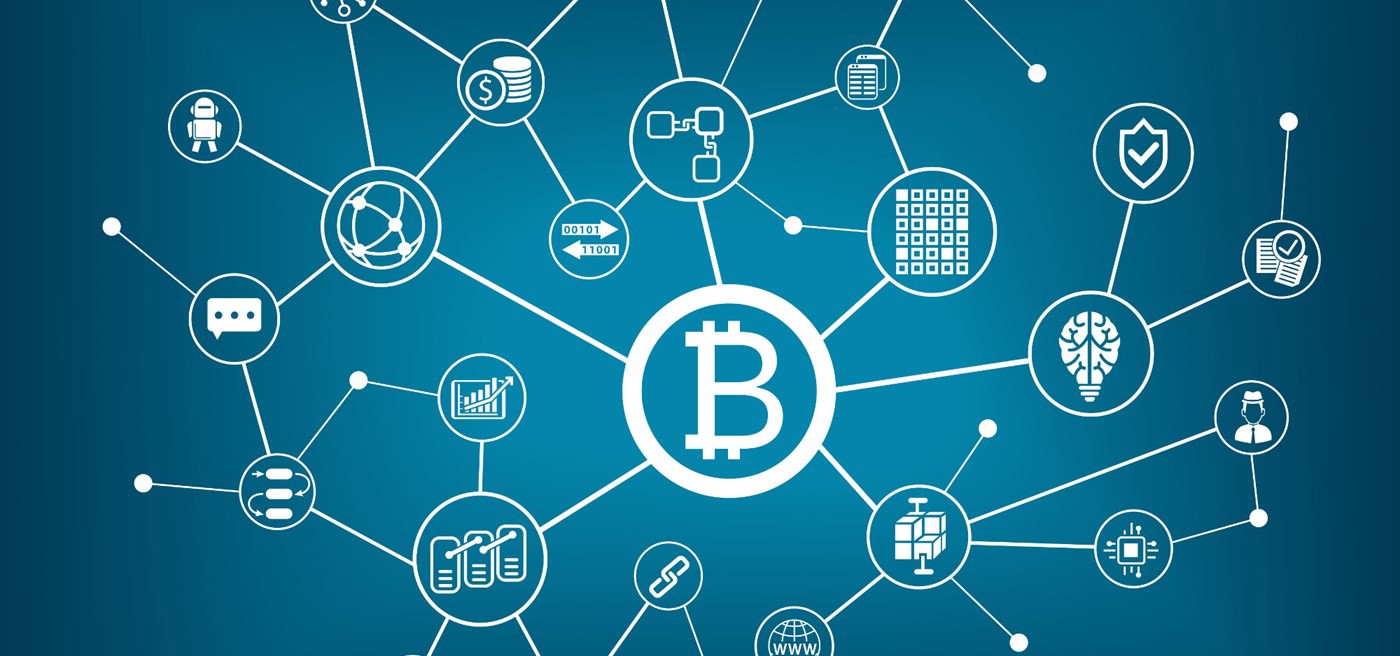
Blockchain, a distributed ledger technology, has redefined how we perceive, manage, and secure records. The Blockchain Impact On Records transcends traditional methods, introducing a paradigm shift in the way data is recorded, stored, and accessed.
The Essence of Immutable Record-Keeping
At the core of blockchain’s impact lies the concept of Immutable Record-Keeping In Blockchain. Unlike conventional databases where data can be altered or deleted, blockchain records are immutable, signifying that once information is added to the chain, it becomes unchangeable. This distributed triumph overcomes challenges related to data tampering and ensures a secure, transparent, and verifiable record-keeping system.
Blockchain’s Impact On Data Integrity is profound, weaving a tapestry of trust and reliability into the fabric of record-keeping. As we unravel the layers, discover the advantages that emanate from the immutability of records.
Advantages of Immutable Records
Tamper-Proof Security
One of the standout Advantages Of Immutable Records is the tamper-proof security they provide. In a blockchain, each block contains a cryptographic hash of the previous block, creating an unbreakable chain. Any attempt to alter a record in a previous block would necessitate changing all subsequent blocks, making the task practically impossible. This distributed triumph ensures the integrity of records, safeguarding them from unauthorized modifications.
Transparent Audit Trails
Immutable records create transparent audit trails, another compelling advantage. Every participant in the blockchain network has access to an identical copy of the ledger. This transparency ensures that any changes made to the records are visible to all parties involved. The distributed nature of blockchain amplifies accountability, fostering trust and confidence in the accuracy of recorded information.
Enhanced Data Trustworthiness
The trustworthiness of data is a paramount Advantage Of Immutable Records. In traditional systems, reliance on a central authority for record-keeping can introduce vulnerabilities. Blockchain’s decentralized and immutable records eliminate the need for a central authority, ensuring that data is trustworthy without the risk of manipulation or corruption.
Streamlined Compliance
Immutable records streamline compliance processes, marking yet another advantage. In industries where adherence to regulations and standards is crucial, blockchain’s impact is transformative. The unalterable nature of records ensures that compliance requirements are met with precision, reducing the complexities associated with audits and regulatory scrutiny.
Blockchain’s Impact On Data Integrity

Decentralized Consensus
A pivotal aspect of Blockchain’s Impact On Data Integrity is the utilization of decentralized consensus mechanisms. The distributed triumph lies in the fact that no single entity has the authority to dictate changes to the records. Consensus mechanisms such as proof-of-work or proof-of-stake involve the agreement of multiple participants, fortifying the integrity of the data through collective verification.
Cryptographic Hash Functions
Blockchain’s impact on data integrity is fortified by the use of cryptographic hash functions. Each block contains a hash of the previous block, creating a chain of interlinked blocks. Any modification to a block would necessitate recalculating the hash for all subsequent blocks, making it computationally infeasible to tamper with the data. This distributed triumph ensures the immutability and integrity of the entire blockchain.
Time-Stamping Precision
Blockchain introduces precision in time-stamping, contributing to its impact on data integrity. Each transaction or record added to the blockchain is accompanied by a timestamp. The chronological order of transactions is maintained, providing a clear and indisputable historical record. This distributed approach ensures that the integrity of the data extends to its temporal sequence.
Resilience Against Cyber Threats
A notable aspect of Blockchain’s Impact On Data Integrity is its resilience against cyber threats. The distributed nature of blockchain, coupled with cryptographic techniques, creates a formidable defense against unauthorized access and cyber attacks. The immutability of records acts as a distributed triumph, fortifying the integrity of data against malicious actors.
The Essence of Immutable Record-Keeping in Blockchain

At the heart of the blockchain revolution lies the concept of Immutable Record-Keeping In Blockchain, a notion that transcends traditional data storage methods. Here, records aren’t merely entries in a database; they are cryptographic anchors embedded in an unalterable chain of blocks.
The distributed triumph of immutability arises from the cryptographic hash functions that bind each block to its predecessor, creating an indissoluble link. Any attempt to alter a record echoes through the entire chain, making it a virtually insurmountable task. This distributed immutability forms the bedrock of trust and integrity in the digital realm.
Decoding the Blockchain Impact on Records
The Blockchain Impact On Records extends far beyond the confines of traditional record-keeping systems. It’s a symphony of security, transparency, and incorruptibility that orchestrates a new era in data management.
Blockchain, as a decentralized ledger, shatters the conventional mold. No longer confined to a central authority’s control, records are distributed across a network of nodes, ensuring that each participant holds an identical copy. This distributed approach marks a departure from centralized vulnerabilities, introducing a novel form of resilience.
Advantages of Immutable Records
1. Tamper-Proof Security
In the lexicon of blockchain, one of the paramount Advantages Of Immutable Records is tamper-proof security. The cryptographic signatures and hash functions interwoven into each block create a fortress against unauthorized alterations. The distributed nature of blockchain ensures that attempting to tamper with a single block unleashes a cascade of computational challenges, rendering the endeavor practically futile.
2. Transparent Audit Trails
Immutable records lay the foundation for transparent audit trails, another jewel in the crown of advantages. Every participant in the blockchain network has an unobstructed view of the ledger. Changes, if any, are broadcasted across the network, creating a distributed, real-time audit trail. This transparency not only fosters trust but also amplifies accountability in a way that traditional systems seldom achieve.
3. Enhanced Data Trustworthiness
Trustworthiness becomes an inherent trait in the world of blockchain. One of the striking Advantages Of Immutable Records is the elimination of the need for blind trust in centralized entities. The data becomes verifiable, incorruptible, and immune to the whims of a single authority. Trust, in this context, is not bestowed; it is algorithmically embedded in the architecture.
4. Streamlined Compliance
Immutable records become torchbearers in the pursuit of streamlined compliance. Industries tethered to stringent regulatory frameworks find solace in the unalterable nature of blockchain records. The distributed triumph here lies in the ease with which compliance requirements are met, reducing the complexity and overhead associated with audits and regulatory adherence.
Blockchain’s Impact on Data Integrity
As we unravel the layers of Blockchain’s Impact On Data Integrity, we find ourselves in a realm where the distributed nature of blockchain becomes a guardian of the sanctity of data.
1. Decentralized Consensus
At the core of Blockchain’s Impact On Data Integrity is the utilization of decentralized consensus mechanisms. The distributed triumph here is evident in the absence of a single point of authority. Consensus mechanisms like proof-of-work and proof-of-stake ensure that alterations to the data require majority agreement. This democratic validation fortifies the integrity of the data through collective verification.
2. Cryptographic Hash Functions
Cryptographic hash functions emerge as sentinels guarding the integrity of data in the blockchain. Each block contains a unique hash that is intricately connected to the preceding block, forming an immutable chain. Any change in a block echoes through subsequent blocks, creating a distributed triumph against data tampering. Immutable Records The Blockchain Impact cryptographic dance of algorithms ensures that the sanctity of the data remains intact.
3. Time-Stamping Precision
Precision in time-stamping becomes a hallmark of Blockchain’s Impact On Data Integrity. Every transaction, every record, bears a timestamp. The chronological order of events is preserved in a distributed ledger, offering an indisputable historical record. This temporal precision not only enhances the data’s credibility but also contributes to the overall resilience of the blockchain.
4. Resilience Against Cyber Threats
In a world plagued by cyber threats, blockchain’s impact lies in its resilience against malicious actors. The distributed architecture, fortified by cryptographic principles, erects a formidable defense against unauthorized access and cyber attacks. The immutability of records becomes a distributed triumph, creating a shield that withstands the onslaught of evolving threats.
Development: Immutable Records The Blockchain Impact
As we reflect on the Blockchain Impact On Records, the enduring nature of immutable record-keeping in blockchain becomes evident. The advantages of tamper-proof security, transparent audit trails, enhanced data trustworthiness, and streamlined compliance underscore the transformative influence of this technology on how we manage and secure data.
Looking ahead, Immutable Records The Blockchain Impact is poised to shape the future of record-keeping. The decentralized consensus, cryptographic hash functions, time-stamping precision, and resilience against cyber threats collectively contribute to an everlasting impact on data integrity. In a world where information is a cornerstone of progress, blockchain’s distributed triumphs in record-keeping pave the way for a more secure, transparent, and reliable digital future.