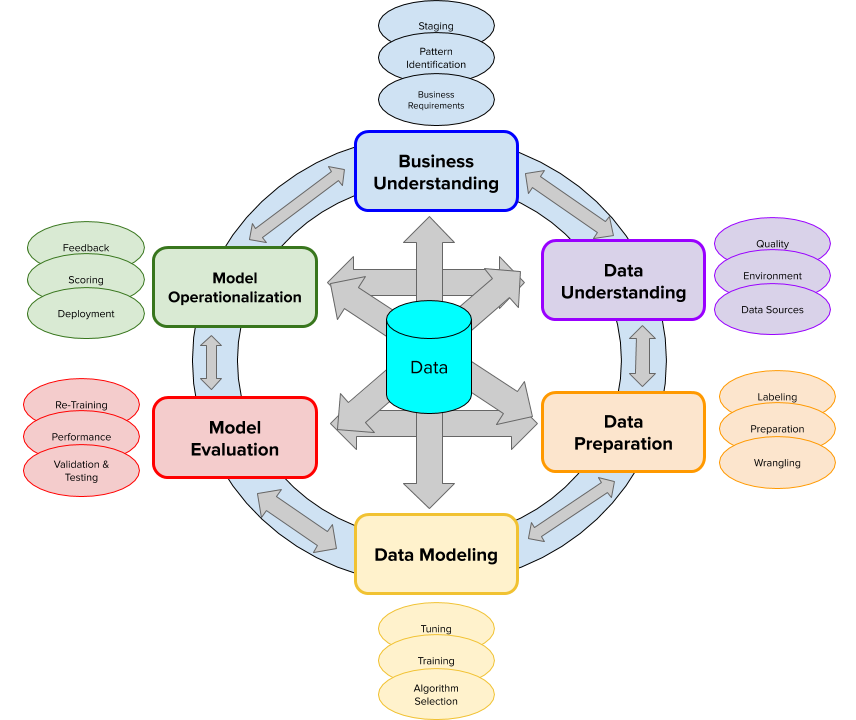

Introduction & Background
In an era where data flows faster than ever before, the ability to predict and shape the future has become one of humanity’s most powerful aspirations. At the heart of this transformation lies machine learning, a field of artificial intelligence that teaches computers to learn from data, identify patterns, and make decisions with minimal human intervention. Machine learning models are not just tools of prediction anymore; they are architects of possibility, quietly designing the landscapes of tomorrow. From forecasting stock market trends to composing music, these models are redefining what we consider possible. But how exactly do they work, and why have they become so central to our collective future? This article explores the hidden genius behind machine learning models, shedding light on their inner workings and their profound impact on the world we live in.
Concept & Overview
At its core, machine learning is a subset of artificial intelligence that focuses on building systems that improve their performance through experience. Unlike traditional software that follows explicit instructions, machine learning models learn from data. They recognize patterns, adapt to new inputs, and refine their predictions over time. This ability to learn autonomously has made machine learning indispensable in fields such as healthcare, finance, transportation, and entertainment. There are three primary types of machine learning: supervised learning, unsupervised learning, and reinforcement learning. Supervised learning uses labeled data to teach models how to classify or predict outcomes. Unsupervised learning finds hidden structures in unlabeled data, such as clustering similar customers or identifying anomalies. Reinforcement learning, on the other hand, trains models through trial and error, optimizing decisions based on rewards and penalties. Together, these approaches form the foundation of modern predictive systems that not only interpret the present but also envision the future.
What makes machine learning truly revolutionary is its scalability and adaptability. Models trained on vast datasets can uncover subtle correlations that human analysts might miss. For instance, a model analyzing years of medical records might detect early signs of disease before symptoms appear. In urban planning, machine learning helps optimize traffic flows, reduce pollution, and improve public safety. The genius of these models lies in their ability to transform raw data into actionable intelligence, guiding decisions that affect millions of lives. As technology advances, the boundaries of what these models can achieve continue to expand, promising even greater influence over the future we will inhabit.
Key Features & Highlights
- Adaptive Learning: Machine learning models continuously improve as they process more data. This adaptability allows them to stay relevant in dynamic environments, such as stock markets or social media trends.
- Pattern Recognition: By analyzing large datasets, these models detect patterns that are invisible to the human eye. This capability is crucial in fields like fraud detection, where unusual transactions can be flagged instantly.
- Automation of Complex Tasks: Tasks that require human expertise, such as diagnosing diseases or translating languages, are being automated with high accuracy. This not only speeds up processes but also reduces human error.
- Personalization: From streaming recommendations to personalized shopping experiences, machine learning tailors content and services to individual preferences, enhancing user satisfaction and engagement.
- Real-time Decision Making: In industries like autonomous driving and financial trading, machine learning enables instantaneous decision-making. Models process sensor data or market signals in milliseconds, making split-second choices that save lives and resources.
- Scalability: Machine learning solutions can be deployed across industries and geographies without significant changes to their core logic. This scalability ensures that innovations reach a global audience efficiently.
Frequently Asked Questions / Pros & Cons
What are the main advantages of using machine learning models for prediction?
Machine learning models excel at handling large volumes of data and identifying complex patterns that traditional statistical methods might overlook. They offer speed, scalability, and the ability to adapt over time, making them ideal for real-time applications such as predictive maintenance, customer behavior analysis, and risk assessment. Additionally, these models reduce the need for manual intervention, freeing up human experts to focus on strategic decision-making.
What are the primary challenges faced by machine learning models?
The biggest challenge is data quality. Models trained on biased or incomplete data can produce inaccurate or unfair results. Another issue is interpretability; many advanced models, like deep neural networks, operate as “black boxes,” making it difficult to understand how they arrive at their conclusions. There are also concerns about privacy, especially when models process sensitive personal information. Finally, the computational resources required to train large models can be prohibitive, limiting accessibility for smaller organizations.
How do machine learning models impact privacy and security?
Machine learning models often require vast amounts of data, which may include personal information. While this data is used to improve accuracy, it also raises concerns about misuse and breaches. For example, models analyzing social media activity might inadvertently reveal private details about users. To mitigate these risks, organizations must implement robust data governance policies, anonymize sensitive data, and comply with regulations like GDPR. Ethical AI practices are essential to balance innovation with privacy protection.
Can machine learning models be trusted to make important decisions?
Trust in machine learning models depends on their transparency, validation, and the context in which they are used. Models used in critical areas such as healthcare or finance must undergo rigorous testing to ensure reliability. In high-stakes environments, human oversight remains essential to review and validate model predictions. Moreover, models should be regularly audited for bias and performance drift to maintain trust over time.
What are the ethical considerations surrounding machine learning predictions?
Ethical concerns include algorithmic bias, where models perpetuate or amplify societal prejudices present in training data. There is also the risk of over-reliance on automated systems, which may erode human judgment and accountability. Additionally, the use of predictive models in surveillance or law enforcement raises questions about civil liberties and fairness. Addressing these issues requires a multidisciplinary approach, involving ethicists, policymakers, and technologists working together to establish guidelines for responsible AI development.
Practical Guidance & Solutions
For organizations looking to leverage machine learning for prediction and innovation, the first step is to ensure high-quality, diverse, and representative data. Investing in data cleaning and preprocessing tools can significantly improve model performance. Next, selecting the right algorithm depends on the problem at hand. For structured data, decision trees or random forests may suffice, while unstructured data like images or text often requires deep learning models such as convolutional neural networks or transformers.
Transparency should be a priority. Implementing explainable AI techniques, such as SHAP values or LIME, helps demystify model decisions and builds trust among stakeholders. Regular model validation and testing against real-world scenarios are crucial to ensure accuracy and reliability. Additionally, organizations must prioritize ethical AI practices by conducting bias audits and fostering diversity in development teams to reduce unintended biases.
For individuals interested in exploring machine learning, starting with user-friendly platforms like TensorFlow or scikit-learn can provide hands-on experience. Online courses and certifications in data science and machine learning are widely available, offering structured learning paths. Collaboration with communities of practice, such as Kaggle or GitHub, can also accelerate skill development and innovation.
Conclusion
Machine learning models are more than just tools of prediction; they are silent architects of our future. By uncovering hidden patterns in data, they offer insights that guide industries, shape policies, and enhance daily experiences. From personalized recommendations to life-saving medical diagnoses, their influence is already profound and growing. Yet, with this power comes responsibility. The challenges of bias, privacy, and interpretability remind us that technology must be developed and deployed with care. As we stand on the brink of a new era defined by artificial intelligence, it is our collective responsibility to harness the hidden genius of machine learning wisely. By embracing innovation while upholding ethical standards, we can ensure that the future shaped by these models is not only intelligent but also inclusive, fair, and sustainable. The journey ahead is exciting, and the possibilities are limitless, but the choices we make today will determine the world we build tomorrow.